supplements MADE VERIFIABLE. but why?
While a supplement brand may use the same formula for every run, the raw ingredients are often sourced from different suppliers or harvested at different times. This variability makes batch-specific verification a necessity rather than a luxury.
Here is why making test results public is critical for ensuring health goals:
1. Ingredient Variability
Raw materials—especially natural sources like fish oil or herbal extracts—can fluctuate in potency depending on the season, location, and extraction method. Publicly accessible Certificates of Analysis (COA) prove that a specific batch actually contains the levels of active compounds promised on the label.
2. Contaminant Screening
Even high-quality ingredients can be exposed to heavy metals (like mercury or lead), mold, or micro-plastics during sourcing or transport. Routine third-party testing ensures that every individual batch is screened for purity before it reaches the consumer.
3. Bioavailability and Integrity
Manufacturing processes can occasionally go wrong, affecting how a supplement breaks down in the body. Verifiable testing confirms that the nutrients remain stable, potent, and biologically active, ensuring the user isn't just consuming "fillers."
4. Radical Transparency
When test results are made public, it removes the "trust me" factor. It empowers the consumer to verify the safety and efficacy of their specific bottle, ensuring that their investment in their health is backed by hard science rather than just marketing.
Verification transforms a supplement from a "promise" into a proven tool for health, ensuring that no matter the source of the ingredients, the quality remains uncompromised.
How to verify your bottle:
Find the batch number printed on the bottom of your Essential Elements carton or bottle.
Enter it into our secure database below.
Instantly download your comprehensive Batch Dossier containing both the independent NABL Safety Report and our In-House Potency COA.
The batch number is an alpha numeric identification number assigned to your particular bottle of Essential Elements product. It is located on the back of the product bottle above the manufacturing /expiration date.
Kindly enter the batch number as a single, continuous code, excluding spaces and special symbols.
How to interpret test results.
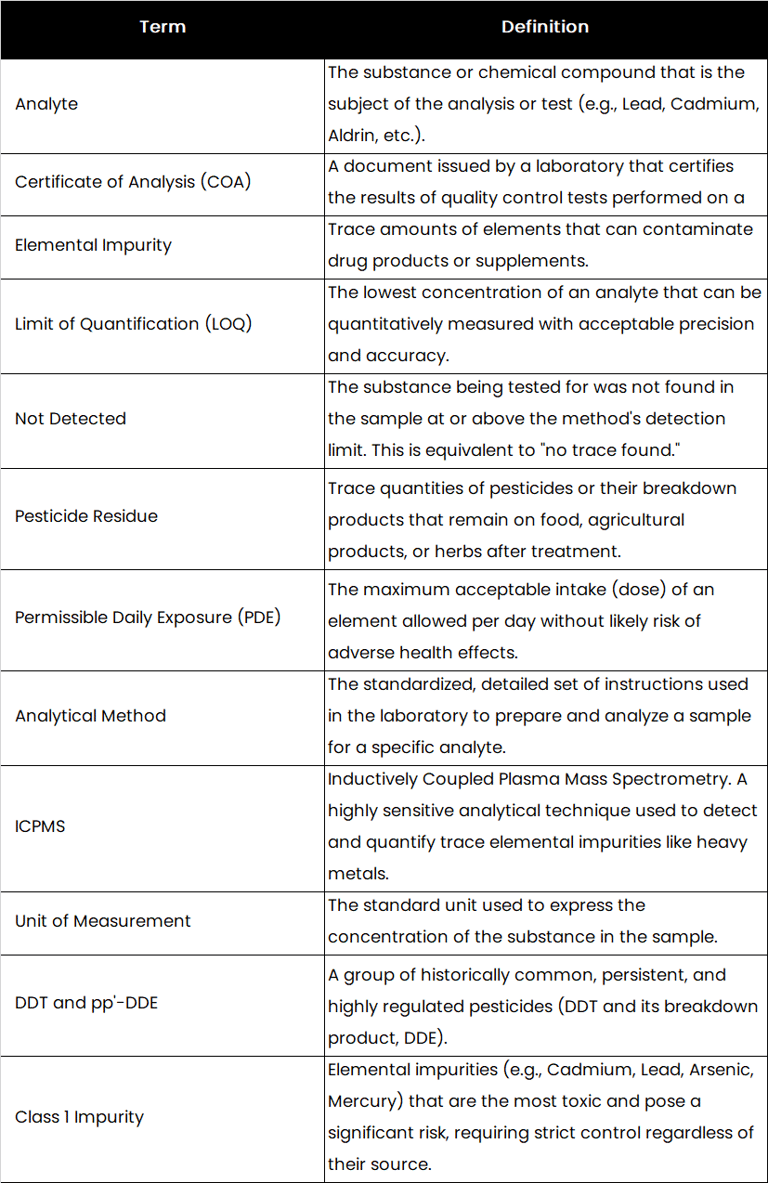
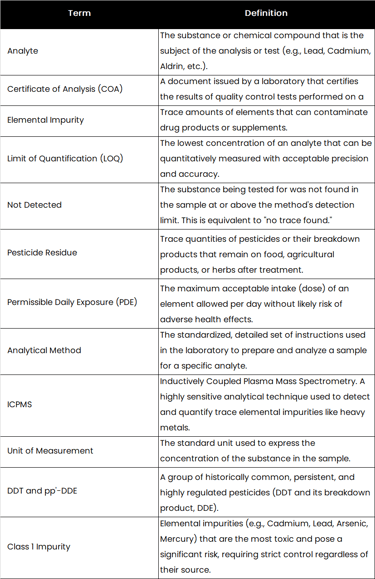
This resource provides key quality control data and definitions referenced from the Indian Pharmacopoeia (IP), Ninth Edition, 2022 and ICH Q3 D. These standards ensure the safety and quality of drug substances and excipients used in India, particularly regarding chemical and elemental contaminants.
Glossary of Essential Quality Control Terms
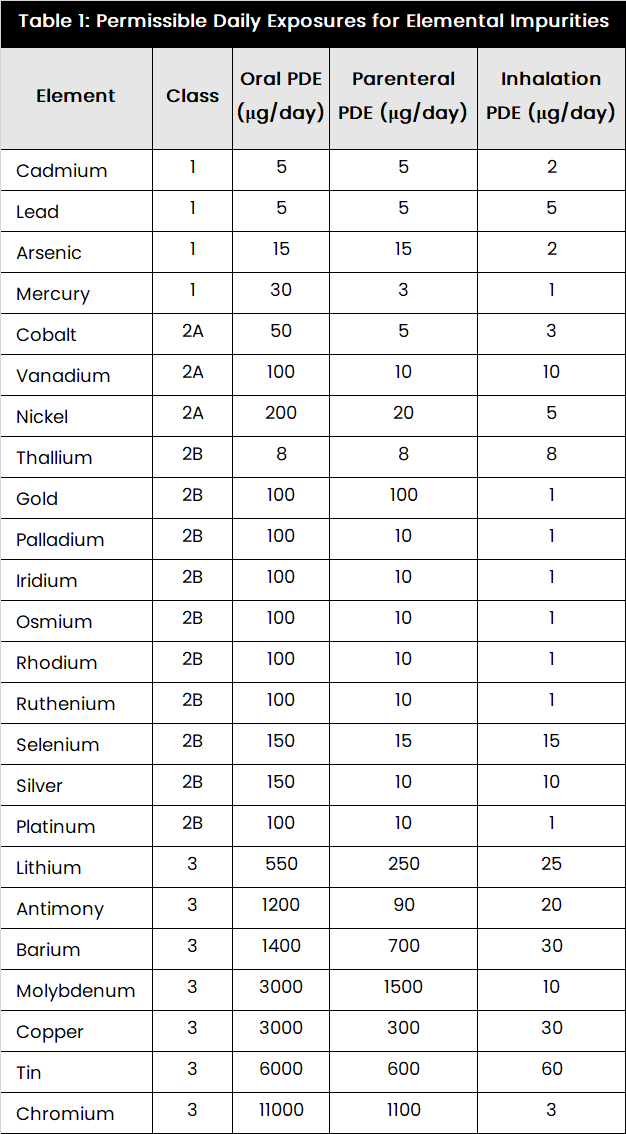
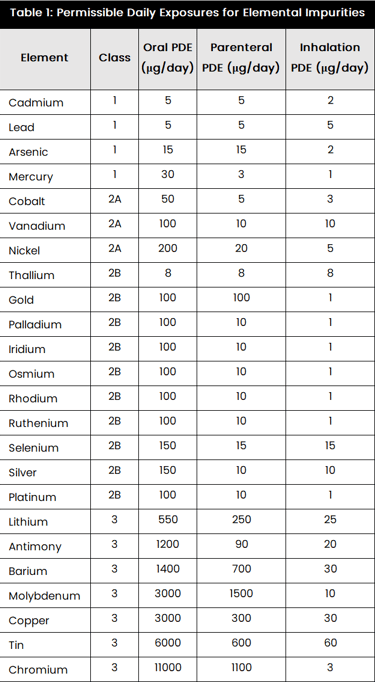
Elemental Impurity Limits (ICH Q3D/IP 2022)
Present the Permissible Daily Exposure (PDE) data clearly, acknowledging the route of administration, as this is the primary determinant for the limit. Reference the specific IP chapter/ICH Q3.
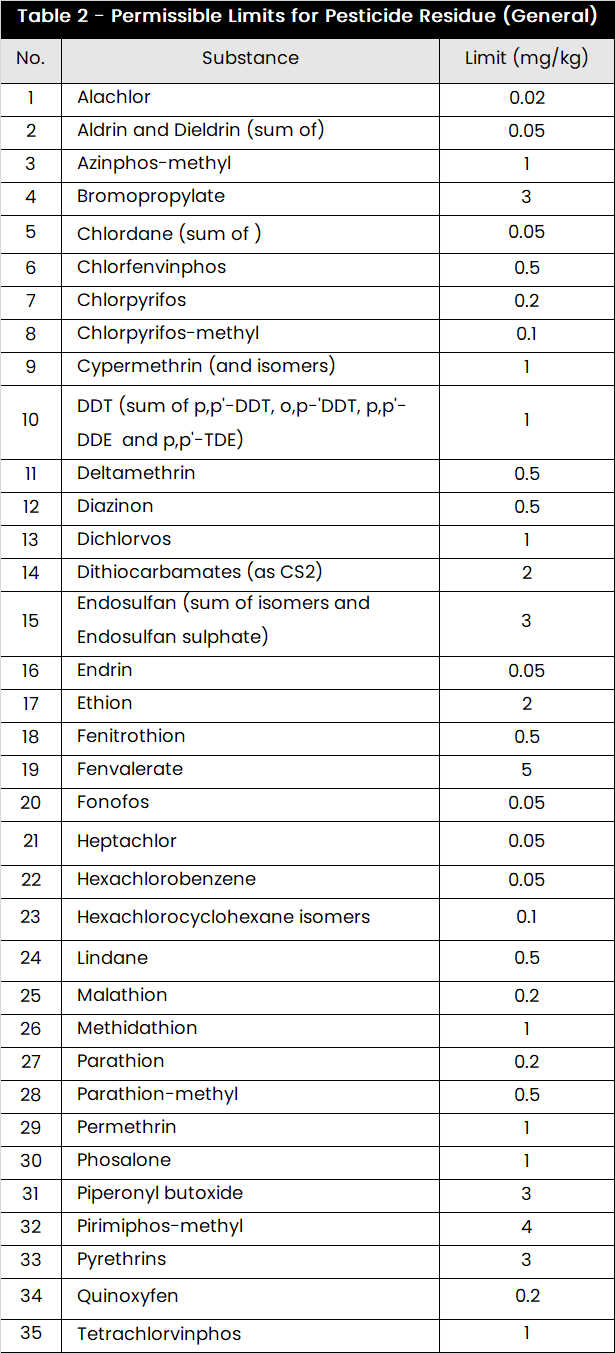
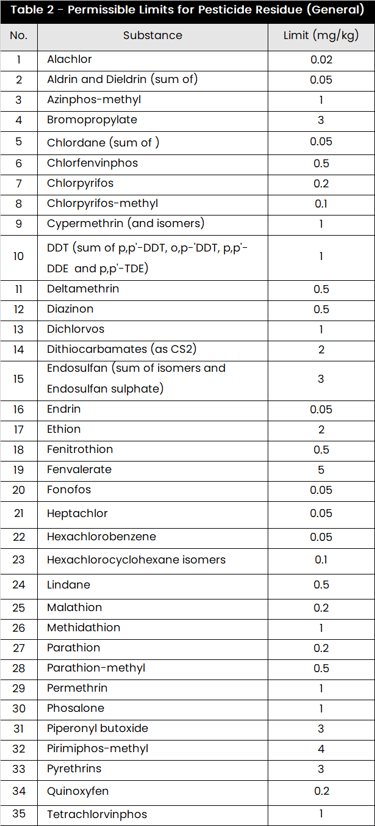
Pesticide Residue Limits
Use the table format for the pesticide limits, highlighting the general limits that apply unless a specific monograph (for a raw material) specifies otherwise.
Source Reference
1) Indian Pharmacopoeia Commission (IPC). Indian Pharmacopoeia 2022 (Ninth Edition). Ghaziabad, India: IPC, Ministry of Health and Family Welfare, Government of India.
2) International Council for Harmonization (ICH). Guideline for Elemental Impurities (ICH Q3D(R1)). Geneva, Switzerland: ICH Secretariat; 2019.
USEFUL LINKS
INFORMATION
Disclaimer: * This products are not intended to diagnose, treat, cure, or prevent any diseases. They are formulated for general wellness / support only